

I AM AIA
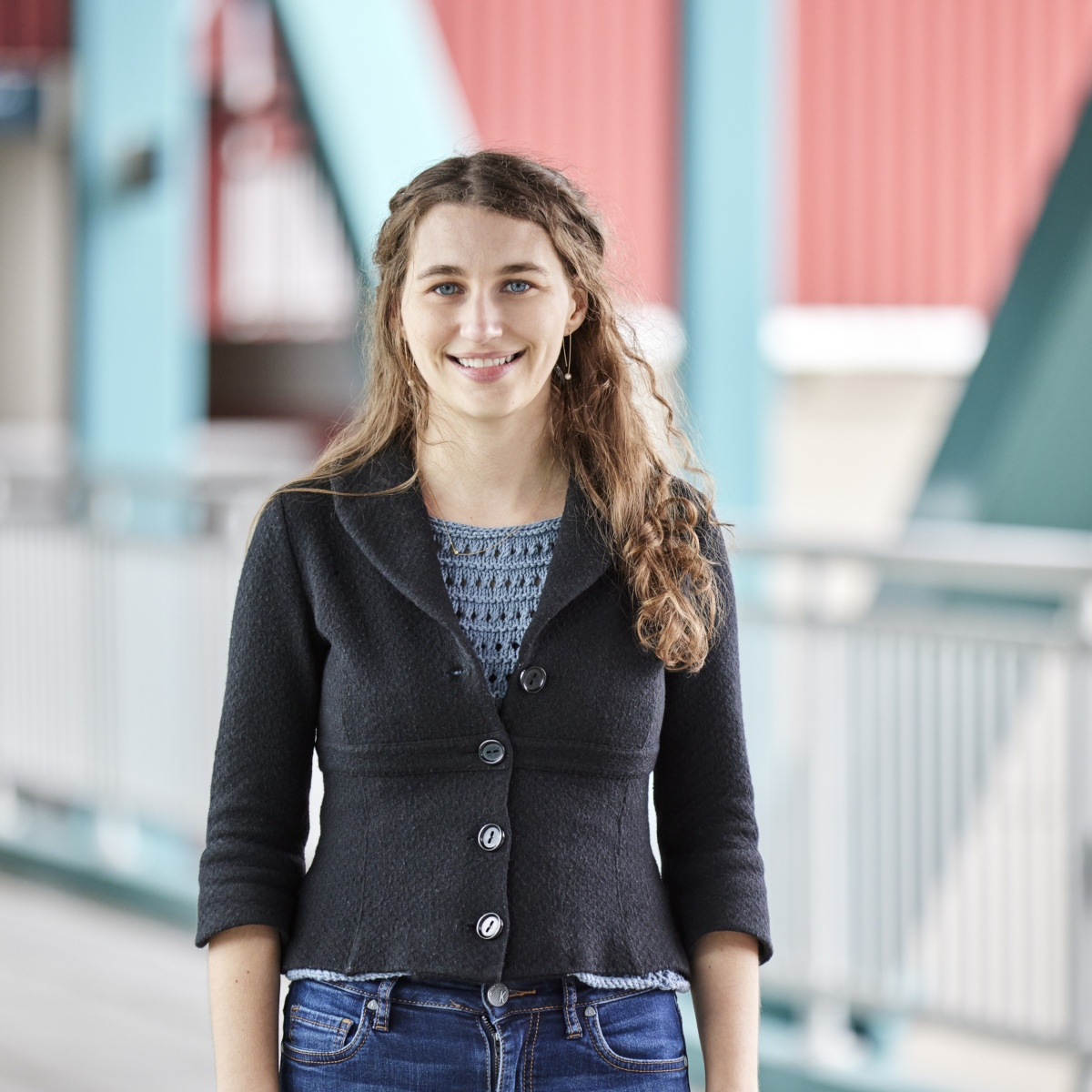
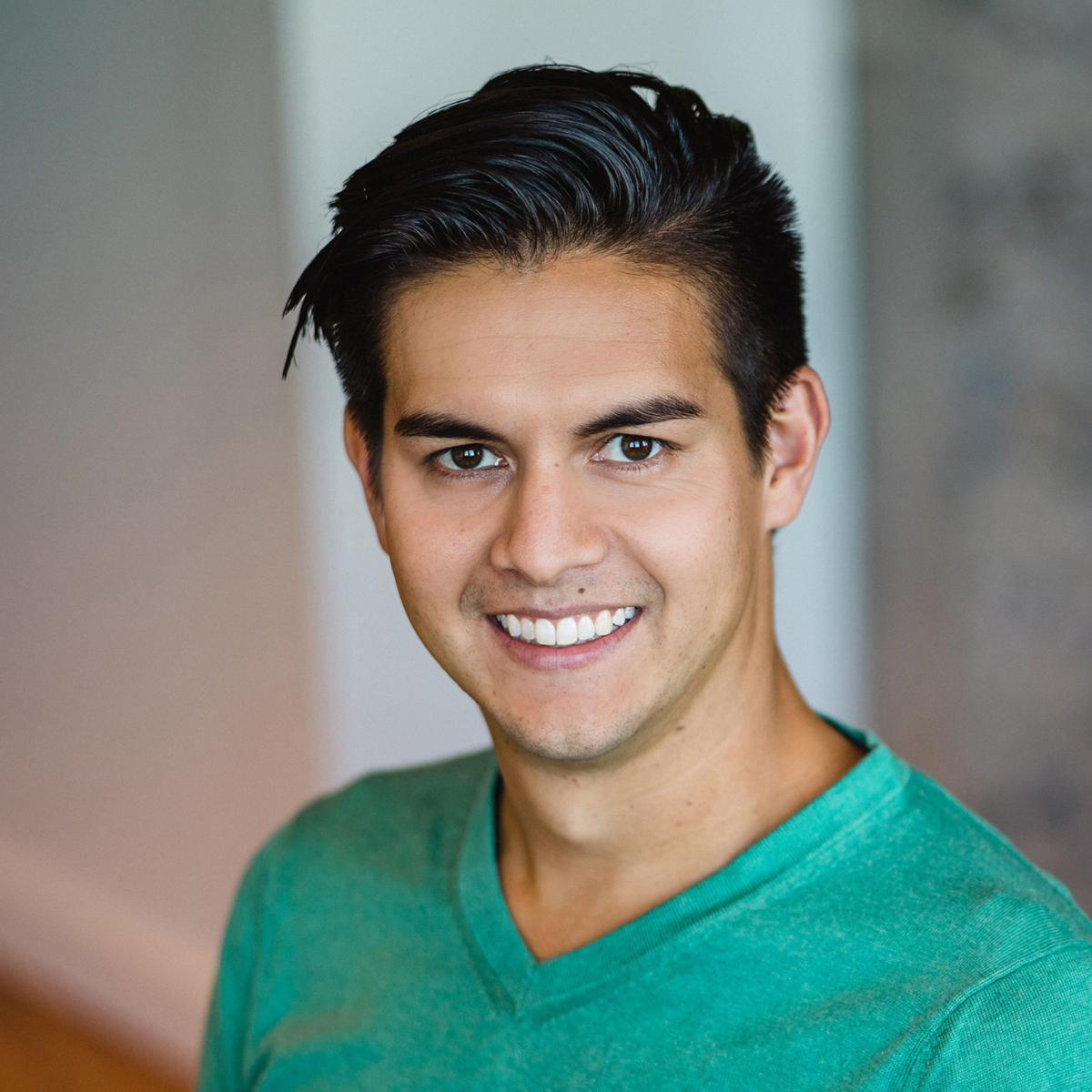
Tyler Schaffer AIA
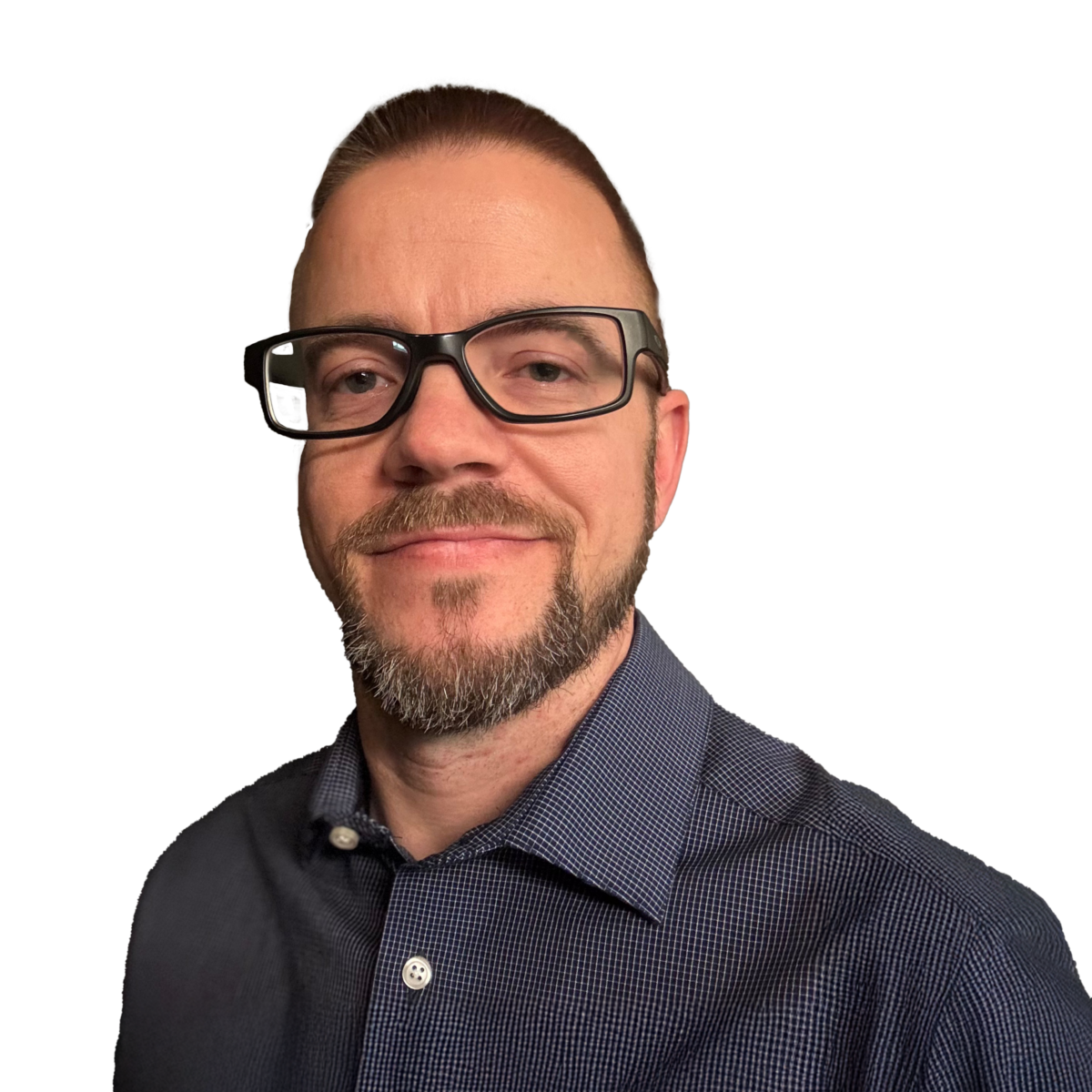
Tyler Schaffer AIA
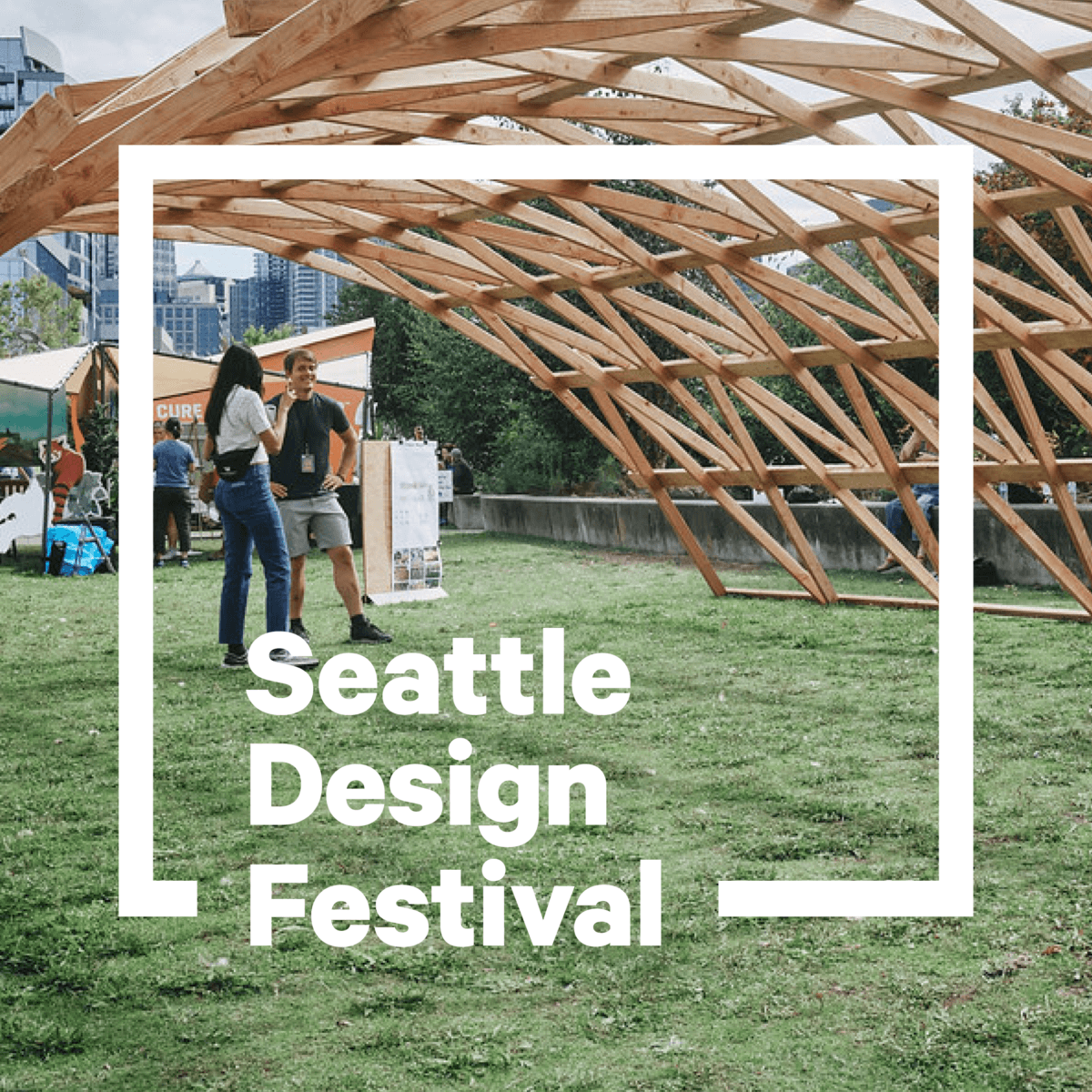
I am a Principal at AECOM, specializing in major infrastructure projects, primarily Sound Transit stations, including University Link, Northgate Link, East Link, Lynnwood Link, and the West Seattle and Ballard extensions. I am active in AIA at multiple levels. Locally, I co‑chaired the AIA Seattle Urban Design Forum, served on the Seattle Design Festival Planning Team, and contributed to the Comprehensive Plan Workgroup. Statewide, I co‑chair AIA Washington’s Livability and Affordability Committee, participate in Capital Connections, and supported HB 1491. Nationally, I serve on the AIA Construction Contract Administration Knowledge Community Leadership Group and will co‑chair next year.
I wanted to connect with others who are passionate about architecture and to engage in issues shaping both our communities and our profession. For me, AIA provides meaningful opportunities to learn, build relationships, and collaborate with peers and local leaders. It also offers a platform for advocacy and a shared sense of camaraderie, bringing together design professionals who are motivated to make positive change.
By the creative act of design and the balance it offers between art and science. That combination of analytical and imaginative thinking makes the process deeply engaging. What has sustained my passion is the broader impact of the work, architecture shapes how people experience their communities every day. At its core, I believe the profession is driven by a shared desire to improve the built environment and make a meaningful, positive difference in people’s lives.
I hope my work improves people’s everyday experiences. Much of my focus is on infrastructure, which isn’t always known for high design, but I see that as an opportunity. I aim to elevate these spaces, creating moments of quality, clarity, and inspiration, so that even routine journeys can be more meaningful and engaging for the communities they serve.
Beyond the projects I’ve worked on, where I admit I’m a bit partial, the Overlook Walk has become a recent favorite. It beautifully stitches the city to the waterfront, creating a welcoming public space for everyone. It functions both as a pathway and a destination, serving as a place to move through and gather. I appreciate how it connects people and places, much like the role architects strive to play.
Growing up without access to public transit, I didn’t fully understand its importance early on. That changed when I studied abroad and saw how essential transit is to great cities and strong urban design. This perspective was reinforced through my work, where I witnessed how transformative high-quality transit can be for communities. Those experiences have shaped my values and sustained my passion for infrastructure projects.
I usually explain that architecture is a highly collaborative profession, we don’t design in isolation. My role is to bring together diverse teams of professionals and help guide a shared process to solve complex problems. In many ways, we act as a connectors and facilitators, helping turn big ideas into real, built solutions that serve communities.
Being instrumental in creating opportunities for growth and development. I have been fortunate to work with exceptional colleagues who challenged and supported me, encouraging me to continually improve. At the same time, the support of friends and family has been equally important, providing a strong foundation that helped me stay motivated and pursue my goals.
I see the fields evolving in response to rising costs, material constraints, labor shortages, and the impacts of climate change. These pressures are pushing us to rethink how we design and build, prioritizing efficiency and cost-effectiveness without sacrificing quality or the sense of inspiration that defines great design. Approaches like prefabrication, modular construction, design for disassembly, and closed-loop systems will become increasingly important as we work to create more resilient and sustainable solutions.
Taking time for yoga and meditation, creating space to clear my mind, refocus, and be fully present for the day ahead.
Leave the world a better place than you found it!
Working on the Sound Transit University of Washington Station. That experience set the direction for my career in infrastructure and led to many transit projects that followed. It also reinforced the importance of thoughtful, high-quality design in transit, demonstrating how elevating the passenger experience can make everyday journeys more meaningful.