

I AM AIA
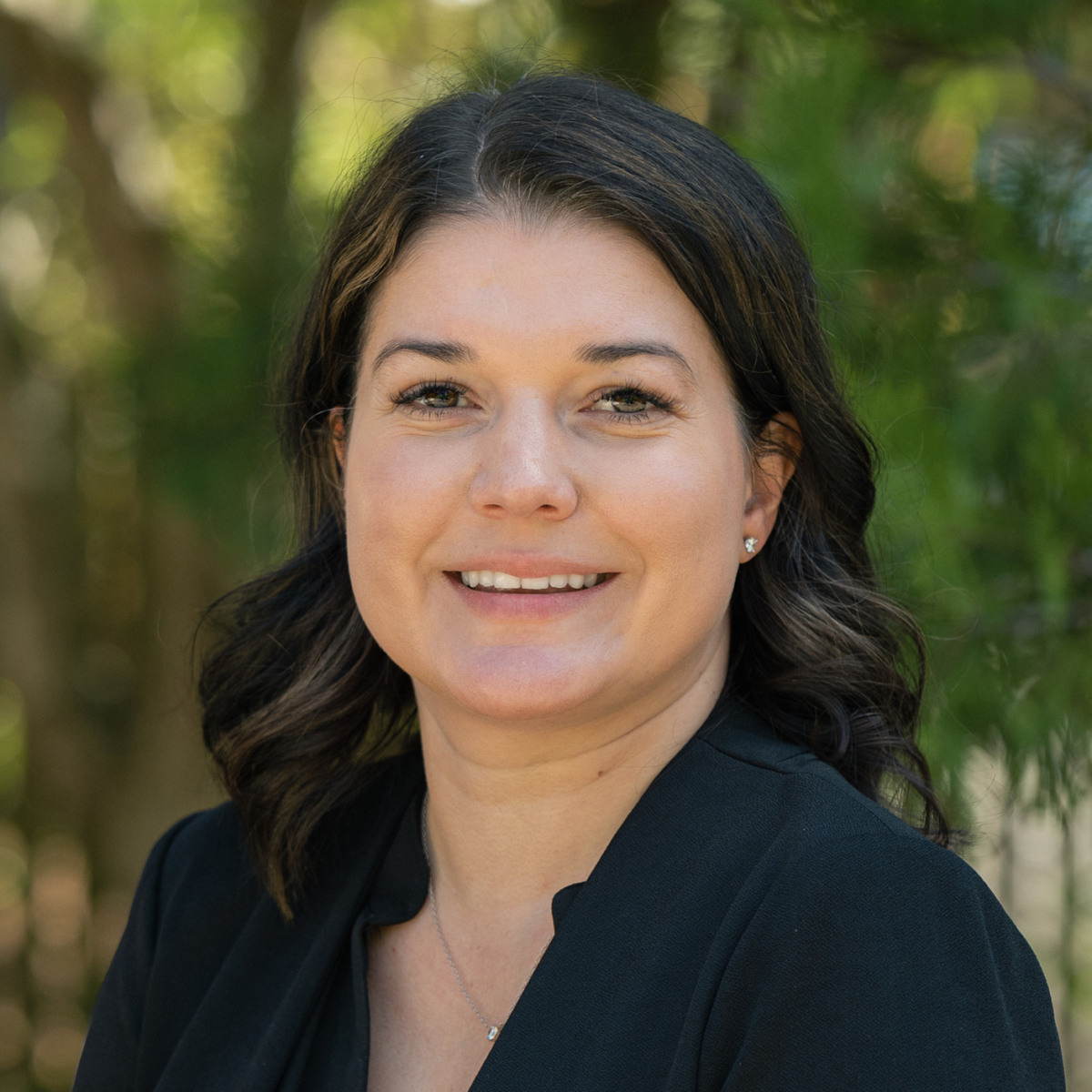
Magaret Knight AIA

Magaret Knight AIA
Margaret grew up in Upstate New York and attended Cornell University’s College of Architecture, Art and Planning in 2012. Margaret spent a summer abroad working with Kounkuey Design Initiative to conduct participatory design workshops outside of Nairobi, Kenya. She relocated to Seattle shortly after and worked on single family residential projects with babienko ARCHITECTS for two years, followed by the affordable housing and community-focused work she is currently doing as part of Schemata Workshop. Margaret is also co-chair of AIA Seattle’s Diversity Roundtable (DRT) committee.
I joined AIA because, like many of us, I was new to Seattle. I was seeking a network of like-minded people and an organization that promotes events that are both social and educational. These events involve a wide range of people from different backgrounds, professions, and stages within their career. These conversations are what allow us to hear and learn from experiences outside of our own. Throughout my life, I’ve always wanted to be a part of something bigger than my immediate surroundings. AIA is that ‘something bigger’ during this phase of my life.
A big part of why I decided to get licensed was to help fill the missing perspective from minorities in the profession. It’s no secret that there is a lack of African American licensed professionals and an even smaller amount of those individuals are women. As a young, Black woman it was important to me not only to be a part of this small group, but to also help join the charge in empowering others to do the same.
Additionally, I was interested in advancing my architectural career and getting licensed allowed me to become a more knowledgeable architect while also opening up professional opportunities outside of the office.
16 Months.
I work best with deadlines, so it was very helpful for me to sign up for the tests before I started studying for them. That helped me create a study plan, and gave me a goal to work backwards from.
Besides changing my e-mail signature and now being able to avoid awkward conversations where I no longer struggle with how to introduce myself (designer? architectural intern? aspiring architect?), I am beginning to take on more of a leadership role on my projects.
I first joined AIA in order to connect with other minority architect’s through the Diversity Roundtable Committee. It serves as a platform for bringing together individuals from all aspects of the design profession that share the common goal of bettering the field for everyone. Being around those who are so invested in the greater architectural community is inspiring and encouraging.
The relationships that I have made with other Diversity Roundtable members have impacted my personal career by connecting me with mentors and leaders, but have also allowed me to engage individuals and organizations outside the profession that have similar goals.
Lately I’ve been involved in work that feels more closely related to planning and urban design, which is something I didn’t expect to be doing. It’s been extremely interesting and fulfilled a desire I have to do projects which rely heavily on community engagement.
I’m not sure about the entire field of architecture, but I think as architects we will be taking on more of an advocacy role. There’s a lot we can contribute to policy conversations that have a lasting impact on the design of our built environment, and will help ensure equity and resilience of our communities.
I hope to give communities that have previously been excluded from the design process a voice and a seat at the table when it comes to making decisions that affect their neighborhoods.
One of my favorite places in the city is Volunteer Park, which isn’t a structure itself but does have a pretty cool conservatory and water tower from the early 1900’s.
Just do it! There’s never going to be a super convenient time to dedicate the majority of your non-work life to studying, so just do it now (unless it’s summer, in which case I’d strongly suggest you go climb a mountain and get back to those study guides in a couple months). Ask your firm to support you if they don’t already, reach out to others who are in the midst of studying for guidance, and find a good coffee shop to hibernate in.