

I AM AIA
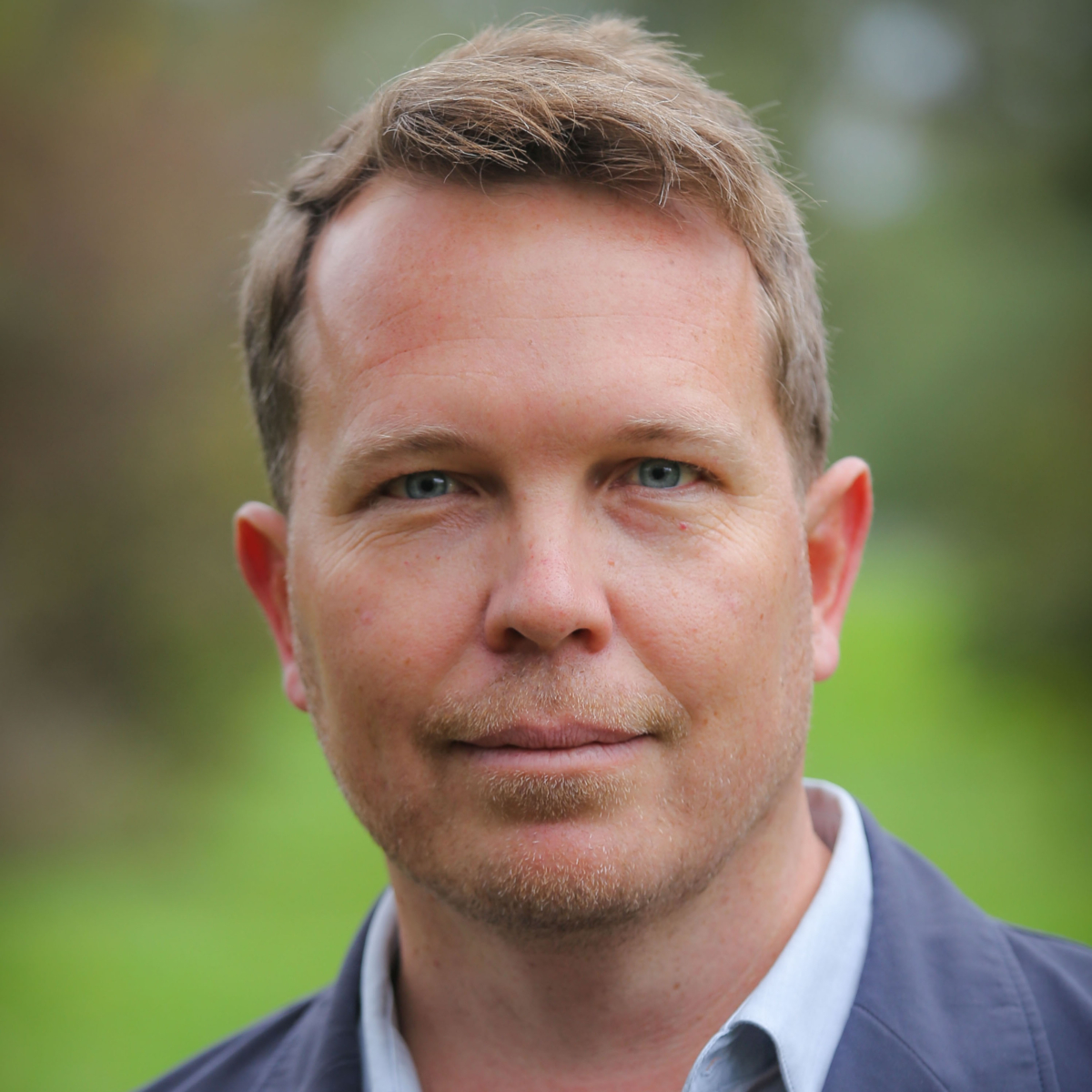
Jay Taylor
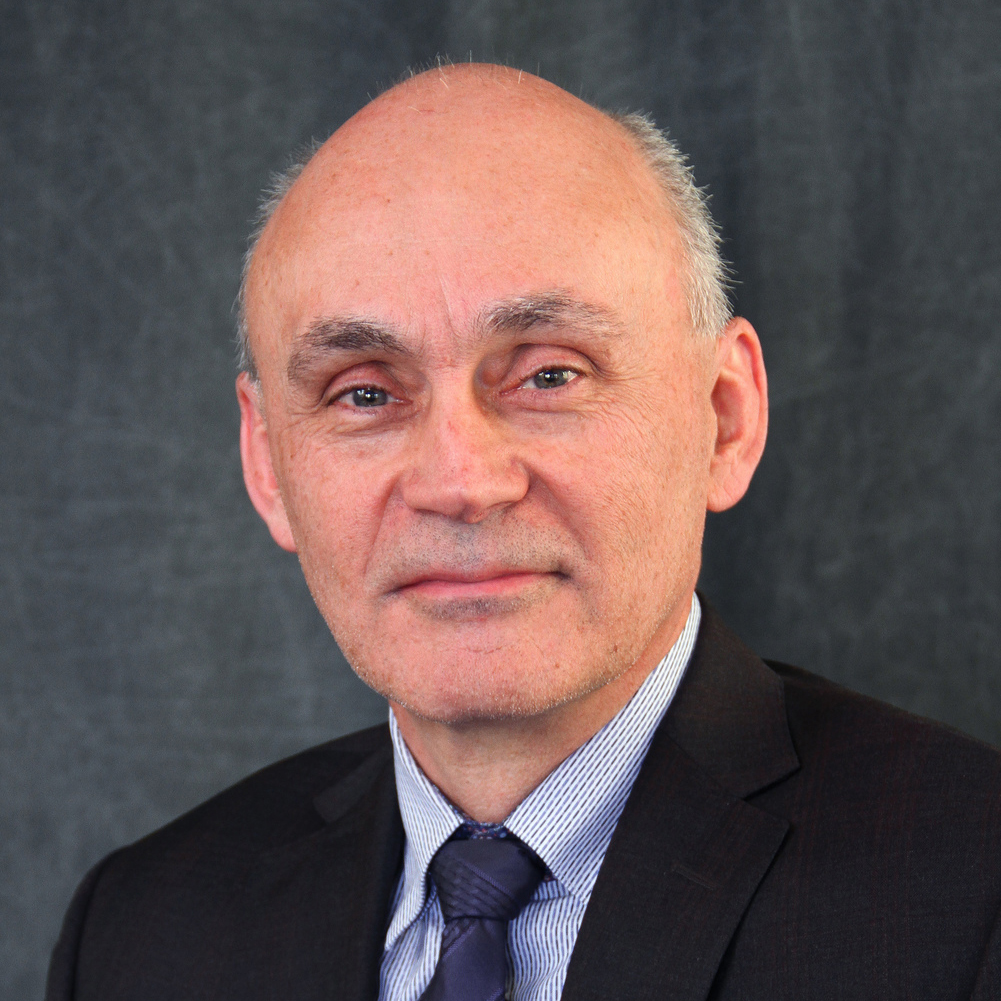
Jay Taylor
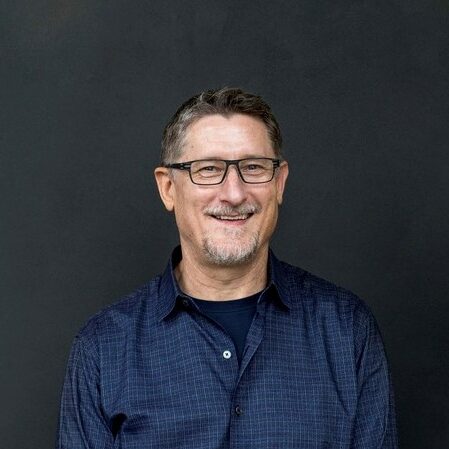
Jay is a Senior Principal at MKA and the leader of the firm’s Cultural, Civic, and Education Specialist Groups. He moved to Seattle in 1976 to attend the University of Washington where he graduated from the College of Architecture in 1980 with his B. A. in Environment Design. Over the last 22 years at MKA, he has been responsible for projects in 11 countries and 25 states. Jay has served on Seattle Design Commission (1992-1996), was an AIA Seattle Board Member (2002-2004), Co-Chair of the Seattle AIA Honor Awards (2007), and became an Honorary Member of AIA Seattle (2008).
With a degree in architecture but professionally a practicing structural engineer, I joined initially to stay connected to architecture and the architectural community (including some of my architecture school classmates).
After joining, I was impressed by the quality of the staff and leadership at AIA Seattle, the advocacy, the partnership with the AEC community, commitment to continuing education, and of course the steadfast commitment to architecture and urban design in Seattle. Over the years what I have come to appreciate and cherish the most is the relationships I have developed and the opportunities I have had to collaborate with the most amazing and inspiring people in our AEC community.
First and foremost we design buildings to safeguard public health, safety, and general welfare. I would say the ethos of our firm, and certainly for me personally given my background in architecture, is to always strive to develop concepts for structural systems, materials, and details in support of an architect’s vision that at a minimum integrate with the architecture and at their best elevate the architecture
I expected to become an architect not an engineer.
Continued blurring of lines of responsibility and a lot more collaboration between design and construction disciplines. Producing BIMs as our contract deliverable will become the “rule” rather than the exception. Likewise, I think every project will have to address material resource management and renewability, resiliency, the carbon footprint, water usage, and energy consumption. In engineering, I expect to see the development and use of more structural composite materials.
The Perelman Center (TPC) at the World Trade Center in New York with REX Architects, one of the most challenging projects I have ever worked on. Of particular significance to MKA because of its location on the original Twin Towers’ site, the project in many ways launched Skilling Helle Christiansen Robertson (now MKA) to international prominence. The 9-story, 100,000-ft², multipurpose, flexible theater is built over four below-grade levels that include the existing Port Authority of New York and New Jersey subway tracks, adjacent Freedom Tower loading dock, and two levels of below-grade retail space (an extension of Calatrava’s Oculus structure). While the masterplan called for a theater, these below-grade spaces were in construction prior to REX’s concept for TPC. Consequently, the below-grade structural engineers made accommodations for our anticipated structure – in essence, we were provided with a “foundation” and had to “reverse engineer” our building.
Build Friendships.