

I AM AIA
Kara Weaver AIA
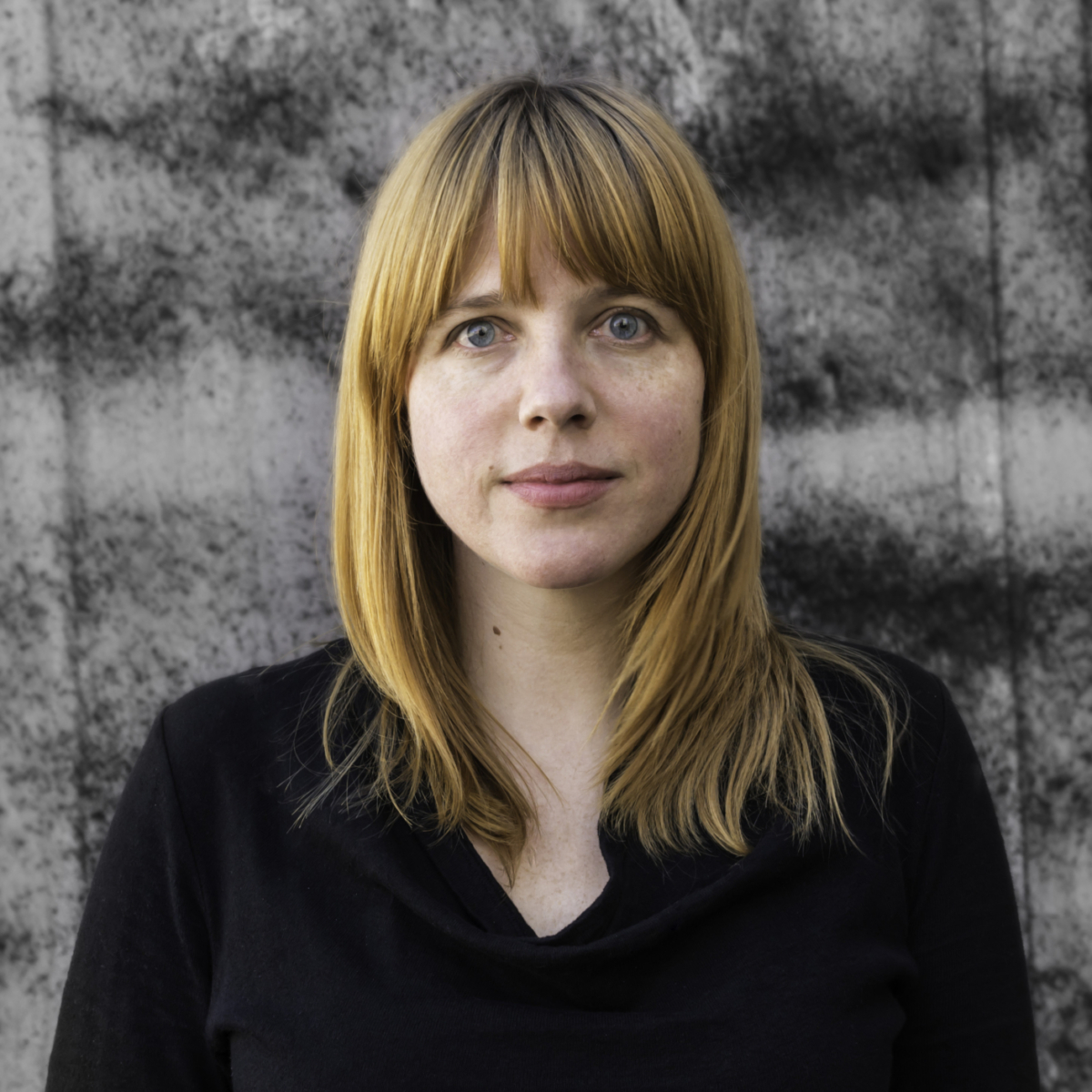
Kara Weaver AIA
I am a landscape architect with nearly 20 years of experience designing and documenting public projects ranging from conceptual and interpretive master plans to precise detailing and tight grading over structure. I shine on projects that pose complex challenges, require intensive coordination between disciplines, and provide opportunities for innovative and elegant problem-solving. My design approach is grounded in my academic studies in anthropology, archeology, and textiles; a background that focuses my exploration of the layers of meaning inherent in every place and their expression in the design of the physical world.
At GGN, we’re finding that our role is more and more about crafting compelling narratives and building strong relationships – between ourselves and clients, ourselves and collaborators from other disciplines, and fundamentally between people and the place itself – rather than just the traditional scope of landscape architecture and the built result. Though, of course, there’s hardly anything more satisfying than walking through a built space you helped create.
I love the Minoru Yamasaki arches at the Seattle Center. Their combination of elegance and heft is so compelling. A few years ago, I knitted a scarf from a pattern based on the form of the arches.
Two projects at the University of Washington. It’s always fun to do work close to home and especially at your alma mater. I’m also just wrapping up the first major phase of construction at Civic Park at Hemisfair in San Antonio, a 7-acre urban park with amazing water features, plantings, and spaces designed for both daily life and civic celebrations. I can’t wait to take my family to the grand opening in a few months.
At my first job as a landscape designer, I had to calculate the weight per cubic yard of elephant poop. I never would have expected that from my academic training.
Making the world better – healthier, more functional, more beautiful – is one of the fundamental things that draws many of us to design, and especially to landscape architecture. But it’s important to be honest with ourselves that even the most sustainable design choices in the built environment can’t address every issue, dysfunction, or injustice. Some of our most satisfying and fruitful design collaborations are with people who have deep knowledge of the social, political, and ecological systems that reach beyond the conventional scope of the design professions.
Exert Empathy.