

I AM AIA
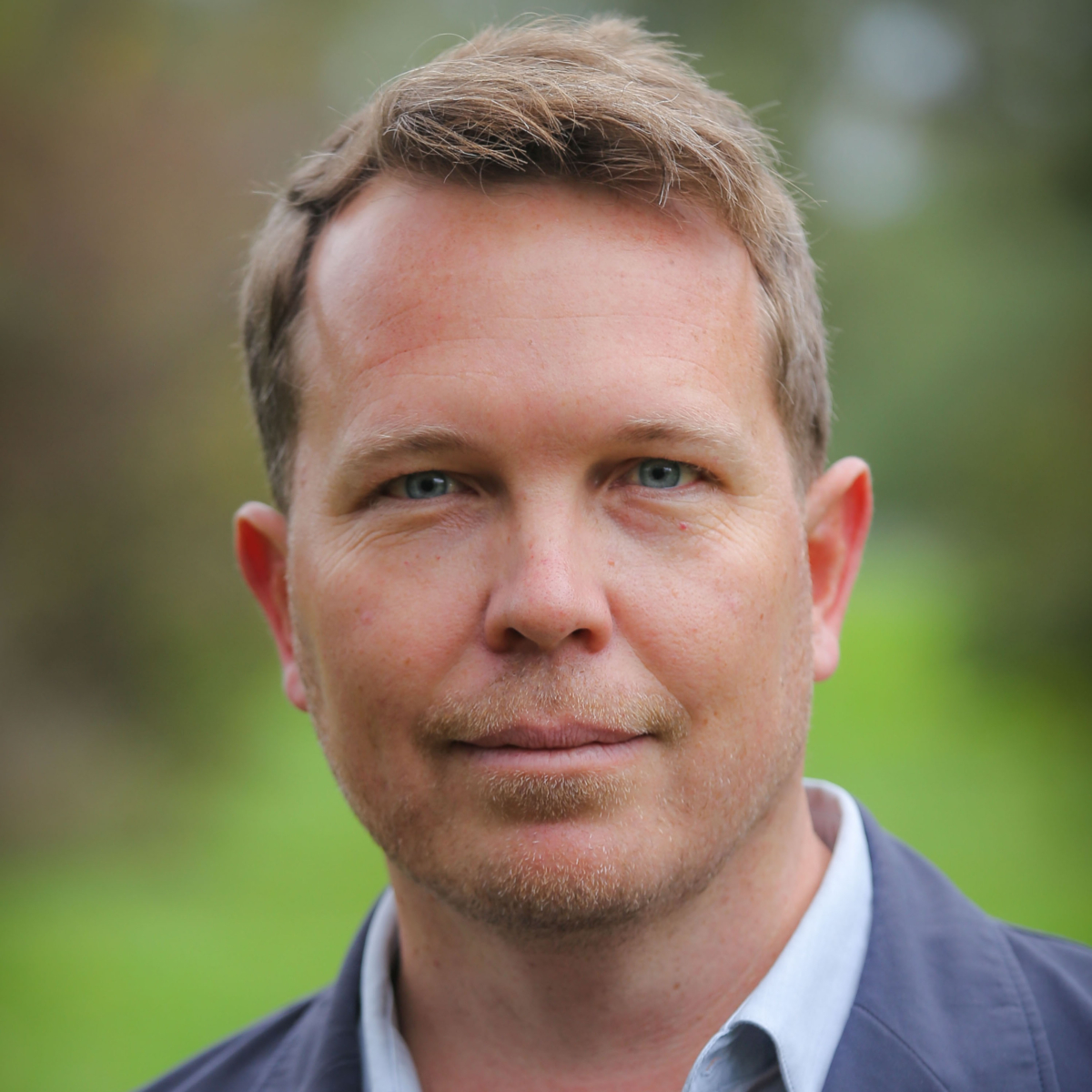
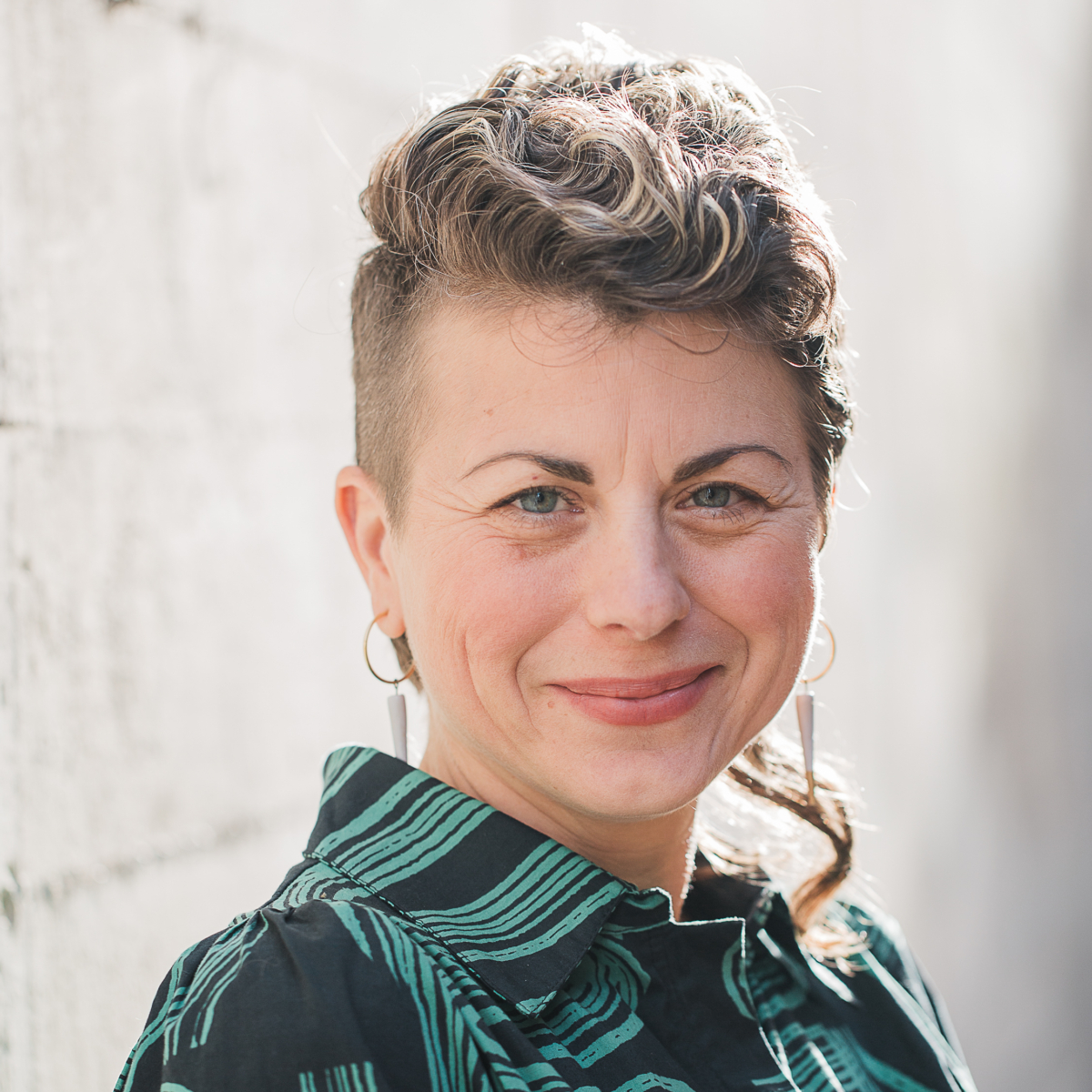
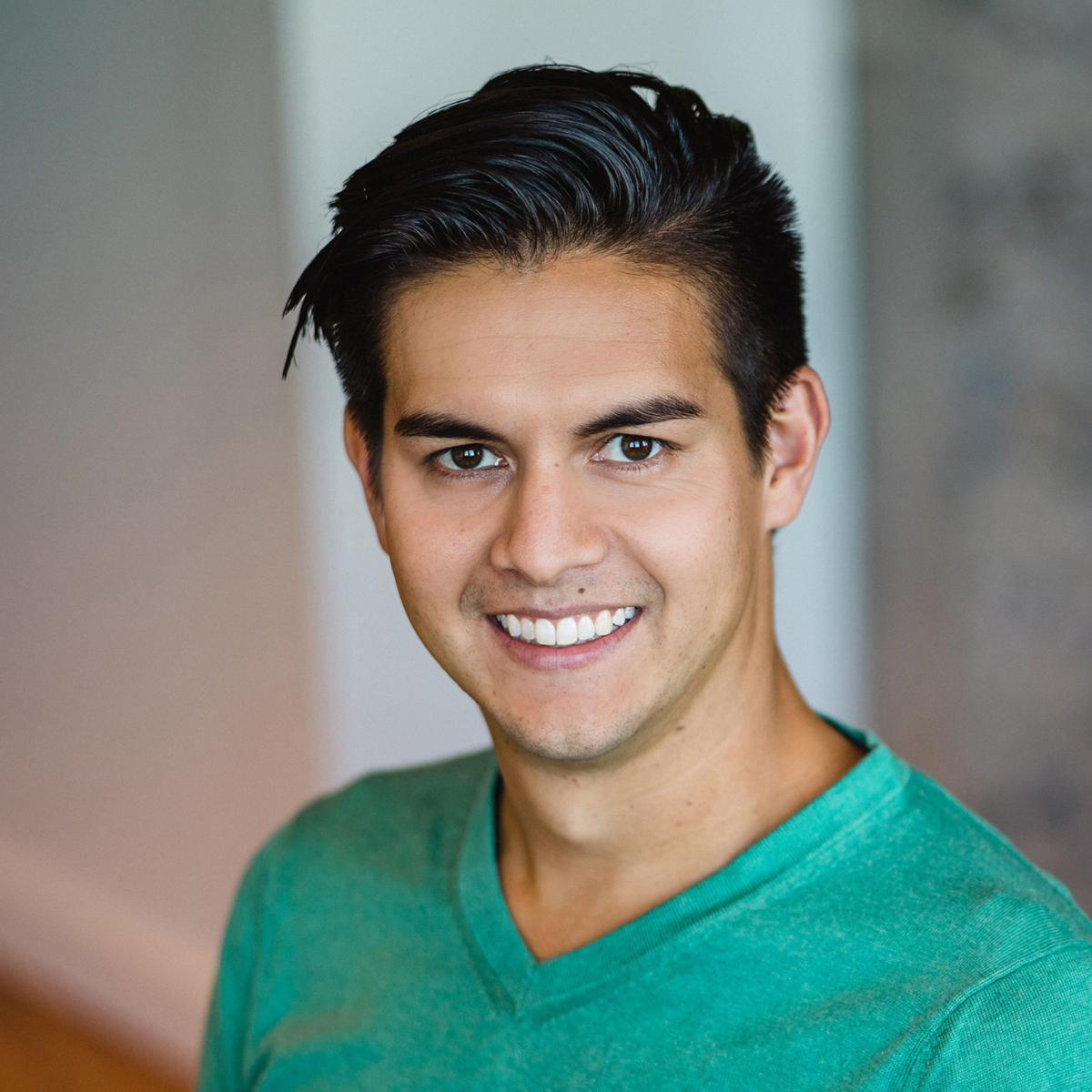
Anton Dekom AIA
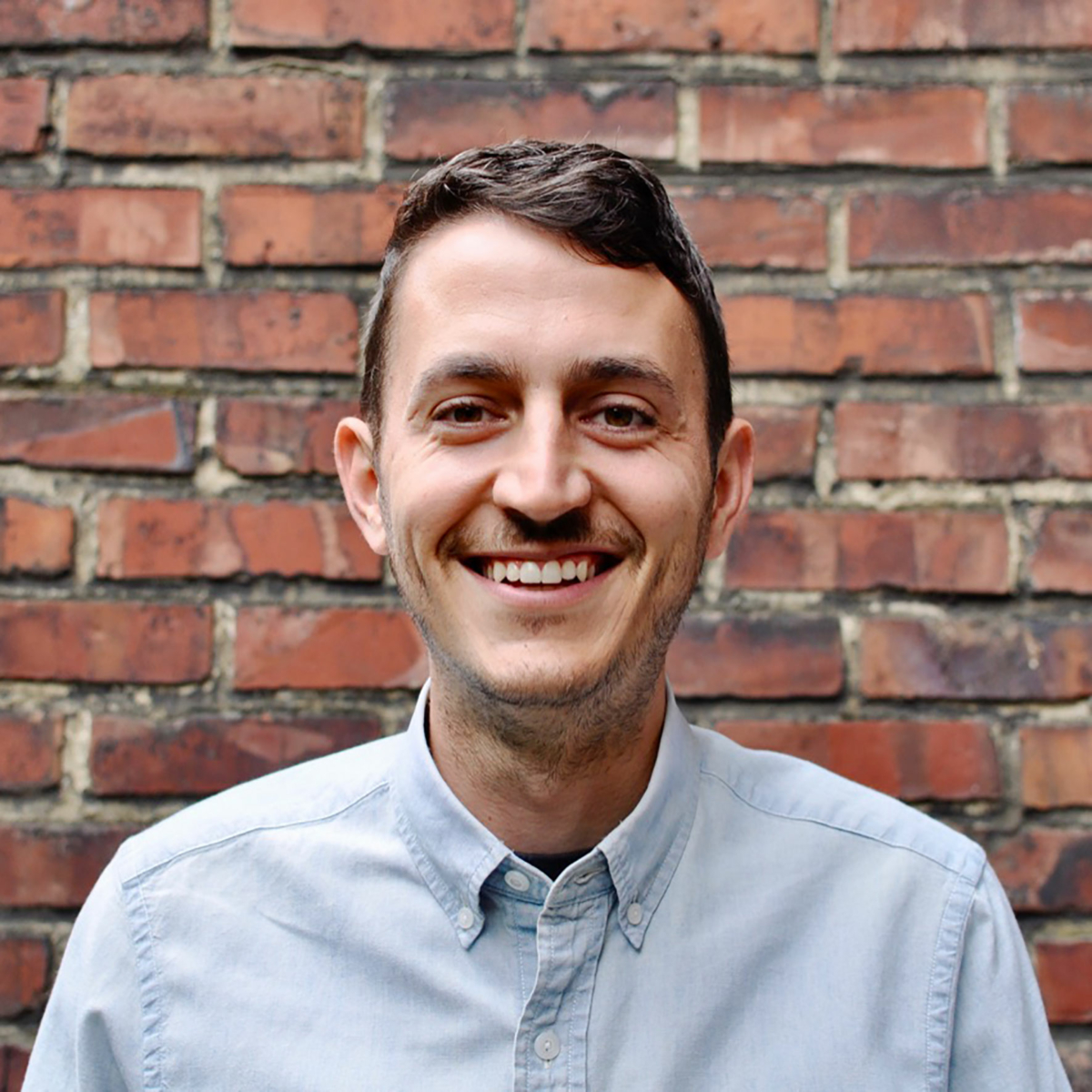
Anton Dekom AIA
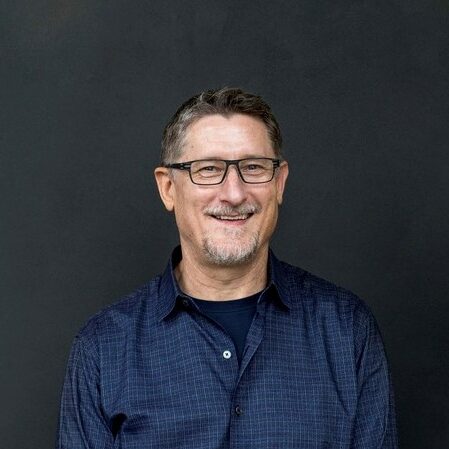
Anton Dekom AIA is an architect at The Miller Hull Partnership and has worked on a variety of project types from private sector commercial offices to public sector sustainable infrastructure. Anton co-chairs AIA Seattle’s Committee on Homelessness (COHO) and is a passionate advocate for affordable housing, inclusionary zoning, urbanism, and for members of our community who are living without shelter.
I joined AIA Seattle in 2017 after getting involved with the Homelessness Task Force (which is now the Committee on Homelessness, or COHO). Homelessness is an issue that is in the hearts and on the minds of many here in Seattle, myself included. Prior to joining the AIA, I had volunteered at tent encampments and tiny house villages, but after attending early task force meetings and talking with others who were also passionate about this issue I began to ask myself what I could do not only as a citizen of this city but also as an architect.
The AIA is a great place to meet and connect with other people… and not just architects! Since I joined the AIA a little more than a year and a half ago, I’ve met a lot of people in the design and construction industries—engineers, graphic designers, city planners, educators, contractors—and I continue to be inspired by the passion that everyone brings to the issues that they are interested in. The AIA has been a valuable platform for learning from others and for getting more people engaged and involved.
I think that architects and designers can play an important role in addressing pressing social issues, but design itself might not be the most powerful tool in our toolbox. Our knowledge of the built environment, it’s history and complexity, and our ability to think through problems critically and holistically may have a greater potential for affecting change when applied to public outreach and advocacy efforts.
I’ve only been in the industry for six years, so I don’t claim be a sage on this point, but from where I stand it looks like the role of the architect shifting. Our voices as licensed professionals carry weight in public forums, and we have the ability to promote change beyond each discreet project that we work on. Advocacy and involvement in public policy are becoming an important part of what we do, at least in the realm of homelessness and housing. Beyond that, new delivery methods like progressive design build and IPD are requiring design professionals and contractors to work more closely together.
I have enjoyed getting to know all of the folks on COHO. The group has only been around for about a year, but with each event (and with each round of beers that’s bound to follow) the group has felt more and more tight knit. I’ll also say that I have found immense value in some of the one-off conversations that I’ve had while working on committee programming, whether that has been with a panel discussion attendee, with AIA staff, or with some of the unsheltered folks that we’ve spoken with while volunteering in the community.
I’ve worked on a number of wastewater treatment plants and other industrial infrastructure projects. I honestly can’t say that I ever expected to be involved with that kind of project type, but part of what makes infrastructure so interesting is the fact that it so vitally important and simultaneously goes largely unappreciated. There is a growing movement in the Cascadia region to celebrate infrastructure and to have it serve as a community asset rather than end up as a neighborhood blight. It’s been fun to be a part of that movement, and to see sustainability become a top priority where it can make such an impact.