

I AM AIA
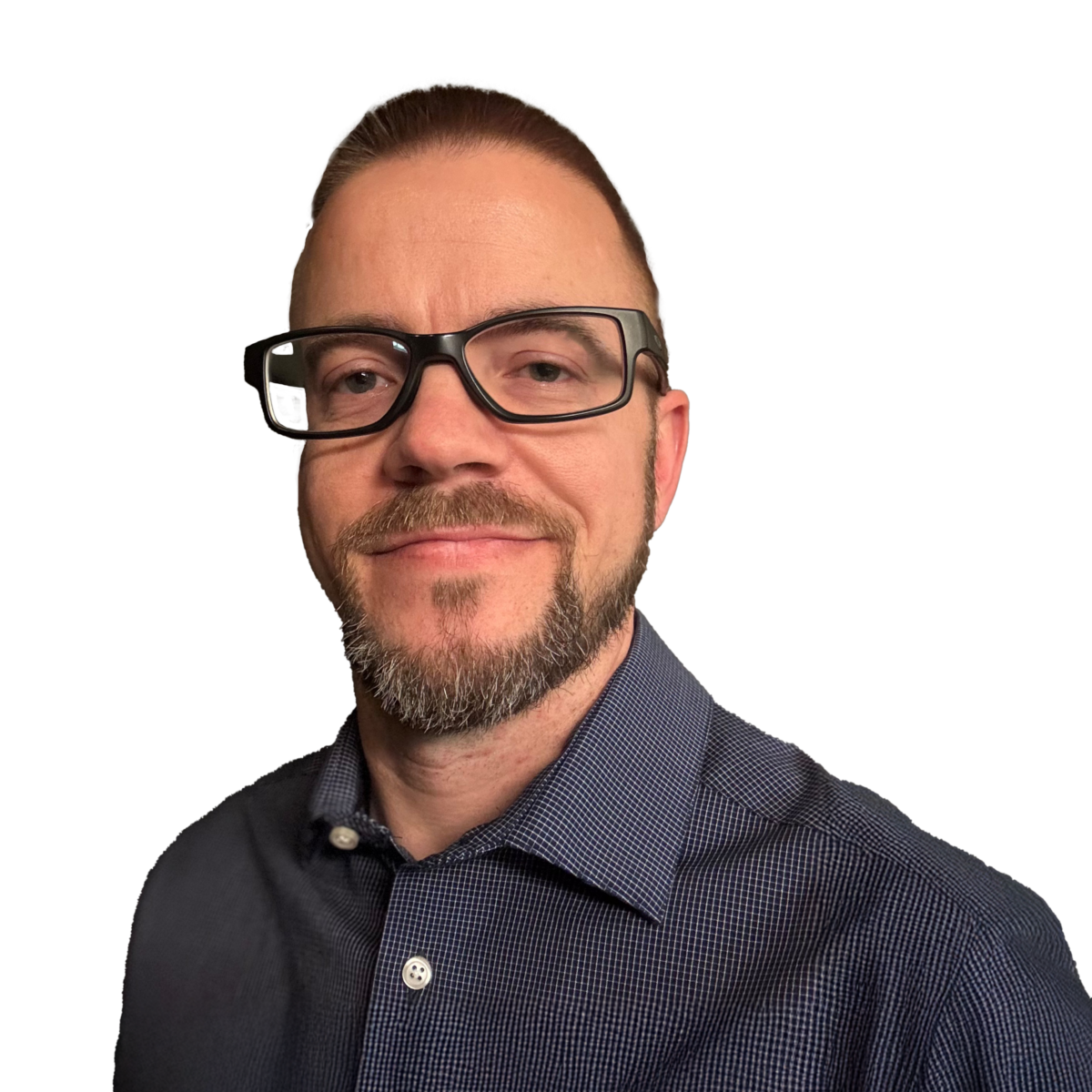
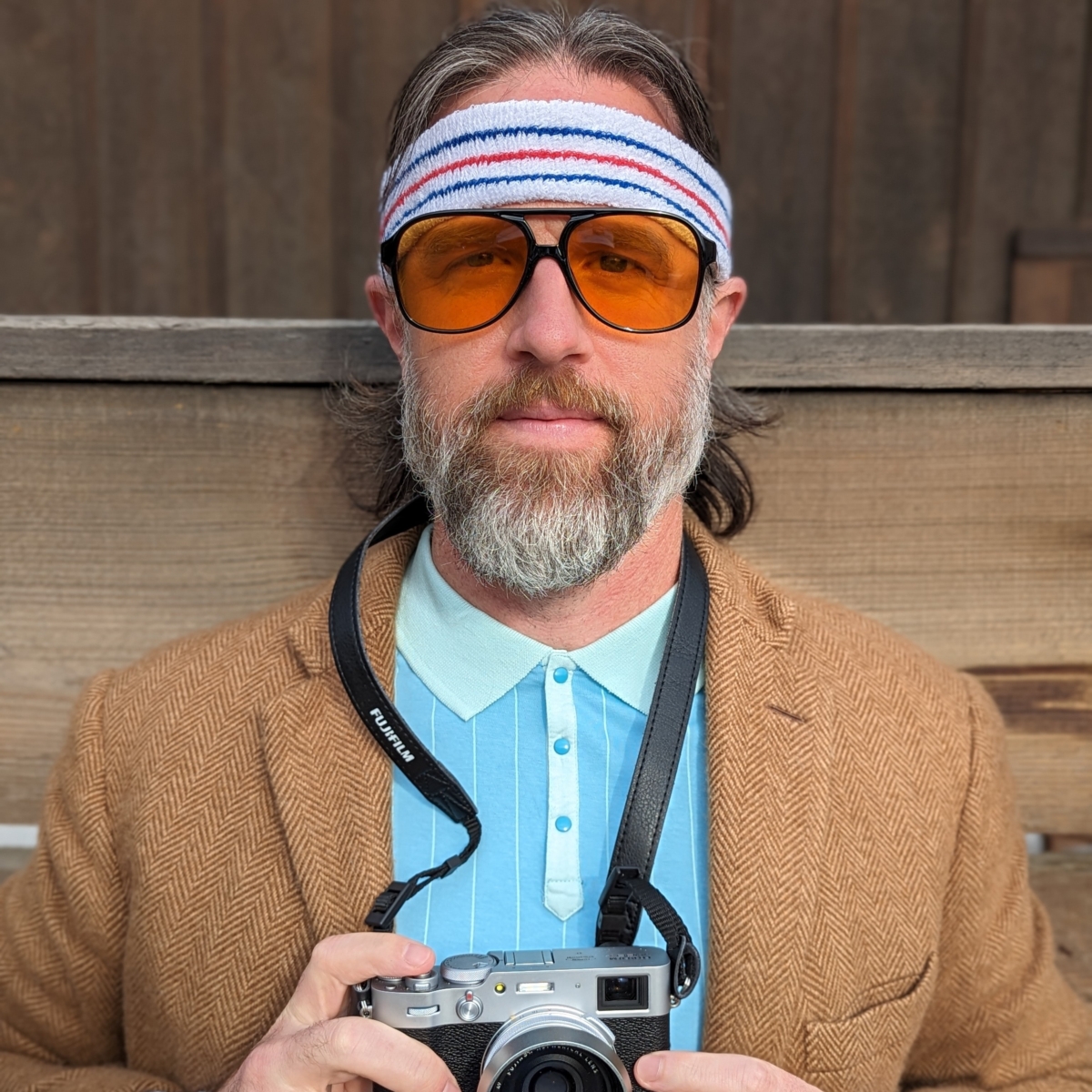
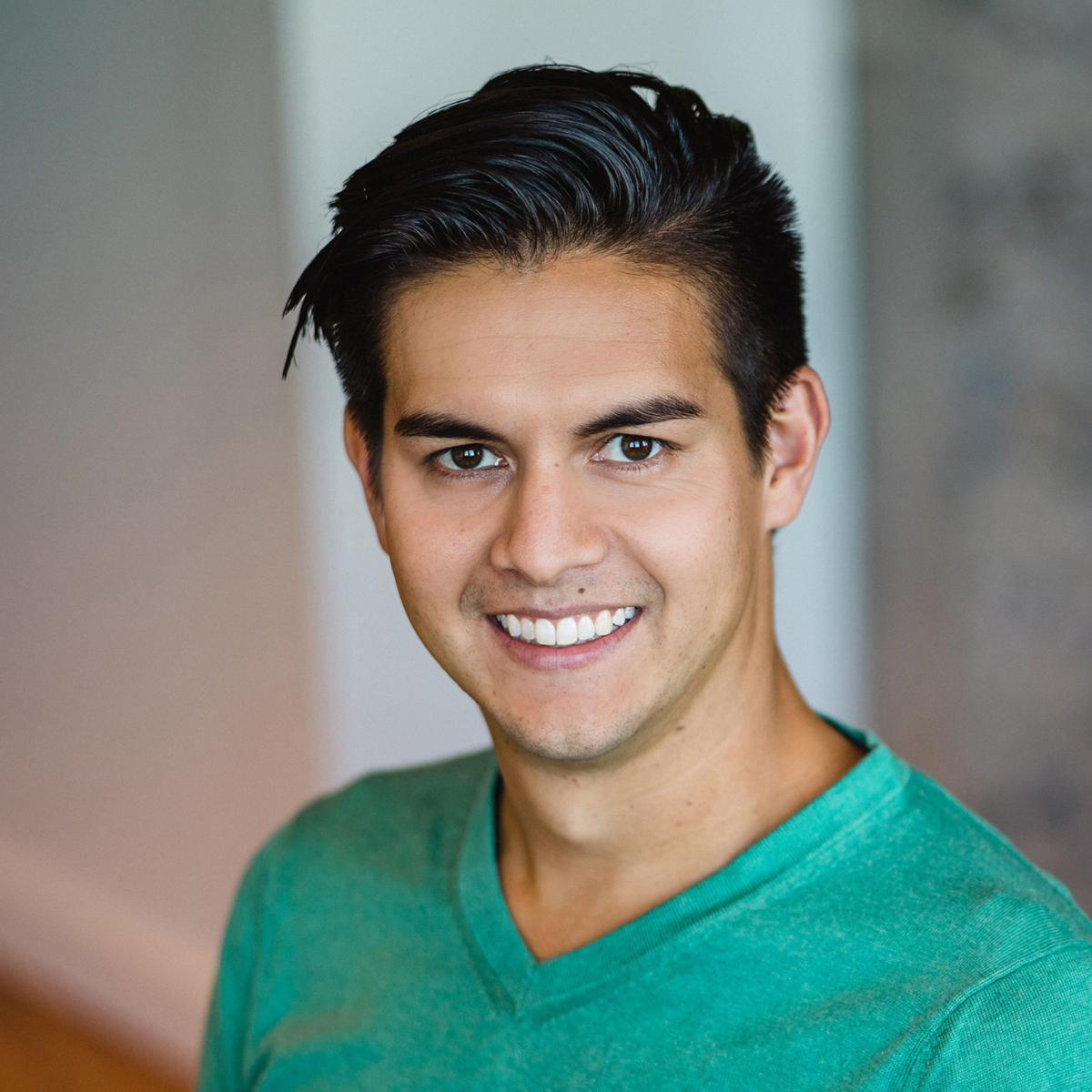
Keith Dashofy
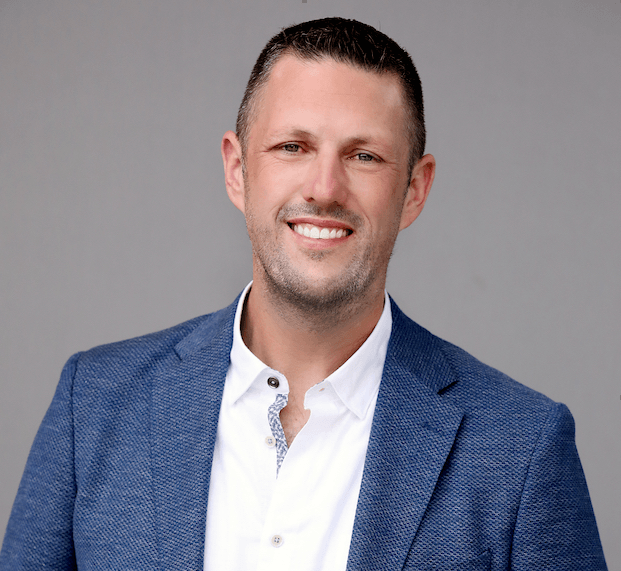
Keith Dashofy
I’m CEO and Principal of Pella of Western Washington, with 25 years of experience in the window and door industry. I began my career in 1999 as an installer’s helper, developing a hands-on understanding of how design ultimately comes together in the built environment. Today, I work closely with architects, builders, and design professionals to help translate architectural vision into successful execution. I’m passionate about the role windows and doors play in shaping a building’s character, performance, and connection to its surroundings. My approach is rooted in collaboration, technical expertise, respect for design intent, and an appreciation for exceptional architecture.
It was a natural extension of our vision and values at Pella of Western Washington, particularly as we continue to grow our presence in the premium and architectural spaces. We believe the best outcomes begin with meaningful collaboration early in the design process and a genuine understanding of what architects need from their partners. AIA provides an invaluable opportunity for direct engagement, dialogue, and feedback from the architectural community. That perspective helps us continually shape our own value proposition, while also allowing us to bring meaningful market insight back to Pella Corporation. Ultimately, our involvement is about listening, learning, building stronger relationships, and becoming a better resource to the design community.
Over the course of my career, I’ve watched the birth of what I jokingly call “the Google machine” and the extraordinary acceleration of information that followed. Today, architects, builders, clients, and manufacturers have more information at their fingertips than ever before. That has created tremendous opportunity, but it has also created noise, complexity, and, at times, confusion. I believe the future of architecture, engineering, and construction will depend on our ability to turn that abundance of information into clarity. Our industries need to continue developing trusted experts and resources who can quickly provide accurate guidance, solve problems, and help teams make confident decisions. Technology will continue to evolve, but expertise, collaboration, and the ability to bring clarity to complexity will become even more valuable in bringing great projects to life.
At this phase of my career, the contribution I care most about is building a durable place to work—an organization that will live well beyond my time and continue creating meaningful careers and opportunities for many people. I tell our team every year that I’m not particularly worried about our best days. I’m more concerned about the difficult ones. When someone goes home after a frustrating day, carries that stress to the dinner table, and shares it with their family, I want them to still believe: “I’m supported, and tomorrow will be better because of the team around me.” It’s easy to celebrate success and create the “rah-rah” moments. I believe the true measure of culture is how we show up for one another when things are at their most difficult. If I can help build an organization where people genuinely feel that support—and one that continues providing opportunity long after I’m gone—that will be the contribution I’m most proud of.
Simply setting foot in the office. From the first smile and “good morning,” I have this moment where I genuinely think, “I can’t believe I get to wake up and be me again today—this is awesome.”
I’m not sure I’m proud of any one thing as much as I’m grateful for the path. I somehow went from installer’s helper, to sales, to helping develop new quoting systems, to product management. Along the way, I flipped houses at night while earning my MBA, accidentally became a land developer, and eventually found myself building and scaling a distributorship for one of the most recognized brands in our industry.
I’ve never needed to be the smartest person in the room. In fact, I’d prefer not to be. I love being around smart people, asking questions, and learning how they see the world. Early in my career, that curiosity opened doors I never could have planned for. Today, one of my greatest joys is bringing talented people together, learning from them, and creating an environment where we can build something much bigger than any one of us could build alone.
Being fundamental to every step of my career. I started in this industry in 1999 as an installer’s helper, and throughout that journey I’ve benefited from people who were willing to teach me, challenge me, trust me, and give me opportunities to grow. That community has extended well beyond the window and door industry. Through industry organizations, nonprofit engagement, and board service, I’ve had the opportunity to learn from people with very different backgrounds, perspectives, and experiences. Those relationships have shaped not only my career, but how I think about leadership and responsibility. I believe strongly in investing in the communities that invest in us. For me, that means showing up, listening, contributing, and building relationships that extend beyond any individual project or business opportunity.
I actually just had this conversation with a friend. Most of the time, I simply tell people, “I’m in construction.” If they’re in a similar field, genuinely interested, or there’s an opportunity for our business to help them, I’ll usually share more about my work in the window and door industry. I very rarely lead with the fact that I’m an owner or CEO. For whatever reason, I’ve always been a little uncomfortable with that in social settings. The title has never felt like the most interesting part of what I do. I’d much rather talk about the work, the people, the projects, and the industry—and if none of that is relevant, “I’m in construction” works just fine.
This might sound a little vanilla, but it has to be the Space Needle—not necessarily as a structure standing alone, but as part of our skyline. There isn’t a time I see the Seattle skyline and the Space Needle that I don’t have an immediate sense of comfort and familiarity. Whether I’ve been traveling or I’m simply seeing it from a different part of the region, it has this ability to instantly tell me, “You’re home.” I think there’s something pretty remarkable about architecture that can create that kind of emotional connection to a place. For me, the Space Needle does exactly that. It’s part of how I recognize home.
“I’m not worried. That’s Future Keith’s problem.
My dad was diagnosed with cancer when I was 15 and passed away when I was 19. Beyond losing him at a young age, our family was left in a very difficult financial position. That experience forced me to become comfortable with uncertainty and responsibility much earlier than I otherwise would have.
Over time, I’ve realized that I tend to operate at my best when there is a significant challenge in front of me—especially when the path forward isn’t obvious. I don’t have much fear of failure; I have a much greater fear of complacency.
That’s probably why entrepreneurship fits me so well. When something feels impossible or I find myself backed into a corner, my instinct isn’t to retreat—it’s to get curious, get focused, bring the right people together, and start finding a way forward. Some of the most difficult experiences in my life taught me that challenges don’t intimidate me nearly as much as standing still.